What Is Shrinkage of Concrete
Updated
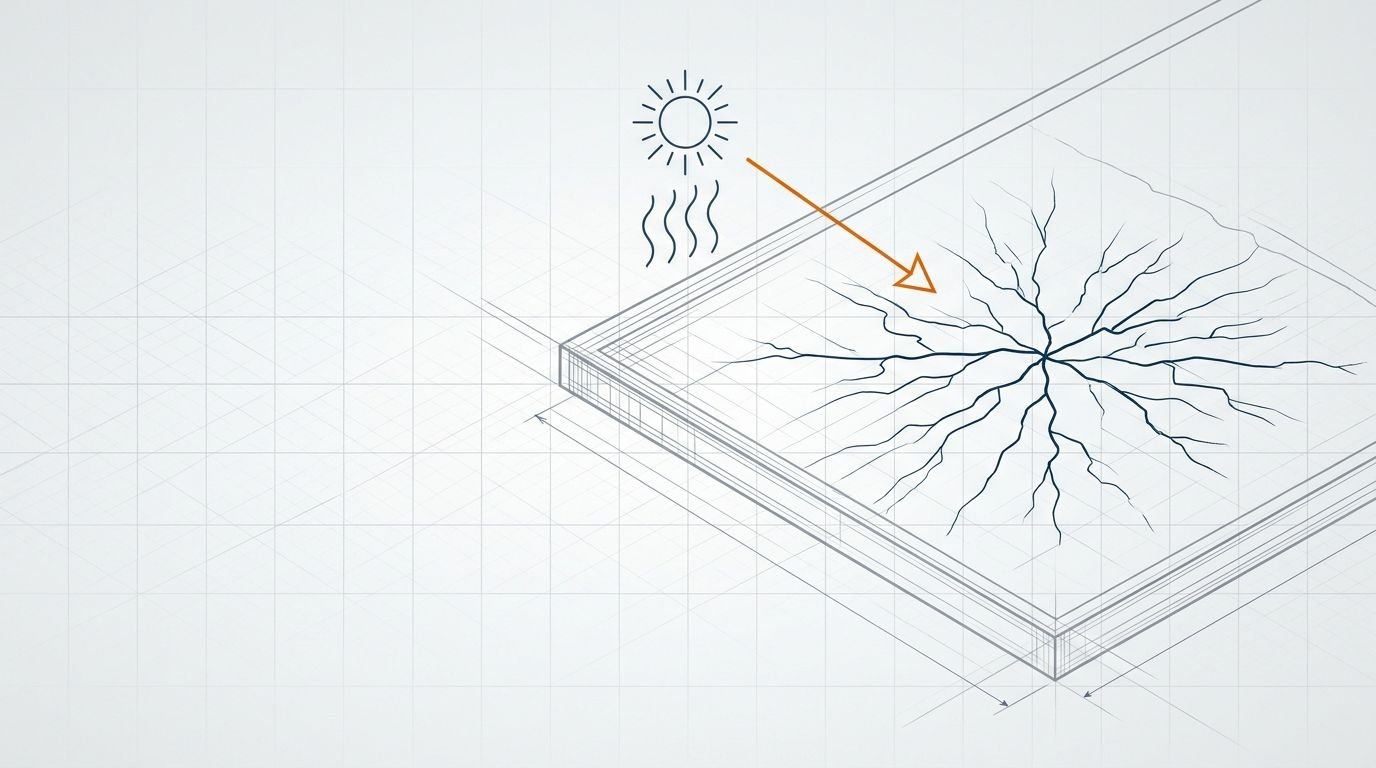
Shrinkage is the reduction in the volume of concrete as it loses water — and because concrete in a structure is always restrained (by reinforcement, by the sub-base, by adjoining members), that shrinking is genuinely the single biggest cause of concrete cracking. Unlike creep, shrinkage happens with or without any load on the concrete at all. This page covers the distinct types of shrinkage, what causes each, and — most importantly — how to control the cracking they lead to.
Volume reduces as water leaves
The fundamental mechanism
Happens with or without load
Unlike load-driven creep
The main cause of cracking
Why it matters so much
The types of shrinkage
| Type | When it happens | Cause |
|---|---|---|
| Plastic shrinkage | The first few hours, before setting | Rapid surface drying of the fresh, still-plastic concrete |
| Drying shrinkage | Over weeks to months, after hardening | Gradual loss of water as the hardened concrete dries out |
| Autogenous shrinkage | Early, internal | Self-desiccation (internal water consumed by hydration) in low-w/c mixes |
| Carbonation shrinkage | Long-term, at the surface | Reaction of atmospheric CO₂ with the hydrated cement at the surface |
Drying shrinkage is the dominant one for cracking: as the hardened concrete slowly dries over weeks and months, it genuinely wants to shrink in volume — but the embedded reinforcement, the sub-base beneath it, and the adjoining structural members all physically restrain that shrinkage. Because the concrete can't freely contract, tensile stresses build up inside it, and since concrete is inherently weak in tension, those stresses readily exceed its low tensile strength and crack it. See types of cracks in concrete for the resulting crack patterns.
What increases shrinkage
A relative comparison of shrinkage drivers — water content is consistently the single largest factor, which is why controlling it is the first line of shrinkage-crack control.
- High water content — genuinely the single biggest factor; the more water in the mix, the more there is to eventually lose, and the more the concrete shrinks as it does.
- High cement paste content — it's the cement paste that shrinks, while the aggregate stays dimensionally stable, so a paste-rich mix shrinks more.
- Weak or small aggregate — good, hard, well-graded aggregate physically restrains shrinkage of the surrounding paste; weak or undersized aggregate restrains it less.
- Dry, warm, windy conditions — all accelerate the rate of water loss from the surface, worsening both plastic and drying shrinkage.
How to control shrinkage cracking
- Keep the water–cement ratio low and avoid over-sanding or over-cementing the mix — this attacks the single largest cause of shrinkage at its source.
- Cure early and thoroughly — proper curing slows the loss of water so the concrete gains genuine tensile strength before it undergoes most of its shrinkage, so it's better able to resist the resulting stresses without cracking.
- Provide movement and contraction joints in slabs and long members, deliberately giving the shrinkage a controlled place to occur rather than letting it crack the concrete at random locations.
- Use adequate reinforcement to distribute the shrinkage and limit individual crack widths — steel doesn't prevent shrinkage, but it holds the resulting cracks tight and well-distributed rather than allowing a few wide, damaging ones.
Why shrinkage and creep are best understood together
Shrinkage rarely acts in isolation — it works alongside creep to determine a structure's total long-term deformation and deflection, which is exactly why design codes treat their combined long-term effect with a single multiplier rather than accounting for each separately. The clean mental distinction worth holding onto is this: shrinkage is driven by water loss and happens regardless of load; creep is driven by sustained load and depends on the stress level. Both reduce the concrete's dimensions over time and both increase long-term deflection, but attacking shrinkage cracking specifically means controlling water content, curing and jointing — the levers that don't affect load-driven creep at all.
Frequently asked questions
What is shrinkage of concrete? It's the reduction in the volume of concrete as it loses water, which happens whether or not the concrete is loaded. Because concrete in a structure is always restrained, this shrinking is the single biggest cause of concrete cracking.
What are the types of shrinkage in concrete? Plastic shrinkage (in the first few hours, before setting), drying shrinkage (over weeks and months after hardening), autogenous shrinkage (internal self-desiccation in low water–cement mixes), and carbonation shrinkage (a long-term surface reaction with atmospheric CO₂).
What is the difference between shrinkage and creep? Shrinkage is a volume reduction from water loss and happens with or without any load; creep is deformation under a sustained load and depends on the stress level. Both increase long-term deflection, but they have genuinely different underlying causes and different controls.
How do you control shrinkage cracks? Keep the water–cement ratio low, cure early and thoroughly so the concrete gains strength before it shrinks, provide movement and contraction joints to control where shrinkage occurs, and use adequate reinforcement to distribute and limit the width of any cracks that do form.
Why does concrete crack from shrinkage? Because the drying concrete wants to contract in volume but is physically restrained by the embedded reinforcement, the sub-base and adjoining members, so internal tensile stresses build up — and since concrete is inherently weak in tension, those stresses readily exceed its tensile strength and crack it.
CivilSite Editorial Team✓ Engineer reviewed
Written and reviewed by practising civil engineers with 10+ years of Indian residential construction experience.